Eight Pillars of Serbian Academic Thought
Exhibition Commemorating the 120th Anniversary of the University Act (1905–2025)
Vivat, crescat, floreat Universitas Serbica!
Belgrade, 2025
Foreword
“The greatest care should be devoted to the education of the inhabitants of Serbia.”
Dositej Obradović
One hundred and twenty years have passed since the adoption of the University Act. This is an occasion for the University Library “Svetozar Marković”, which will celebrate its centenary next year as one of the oldest and most important university institutions, to commemorate the jubilee of its founder by organizing the exhibition “Eight Pillars of Serbian Academic Thought” – dedicated to the eight first full professors of the University who, through their reputation, personal and professional biography, earned a place in the culture, science and history of the Serbian people.
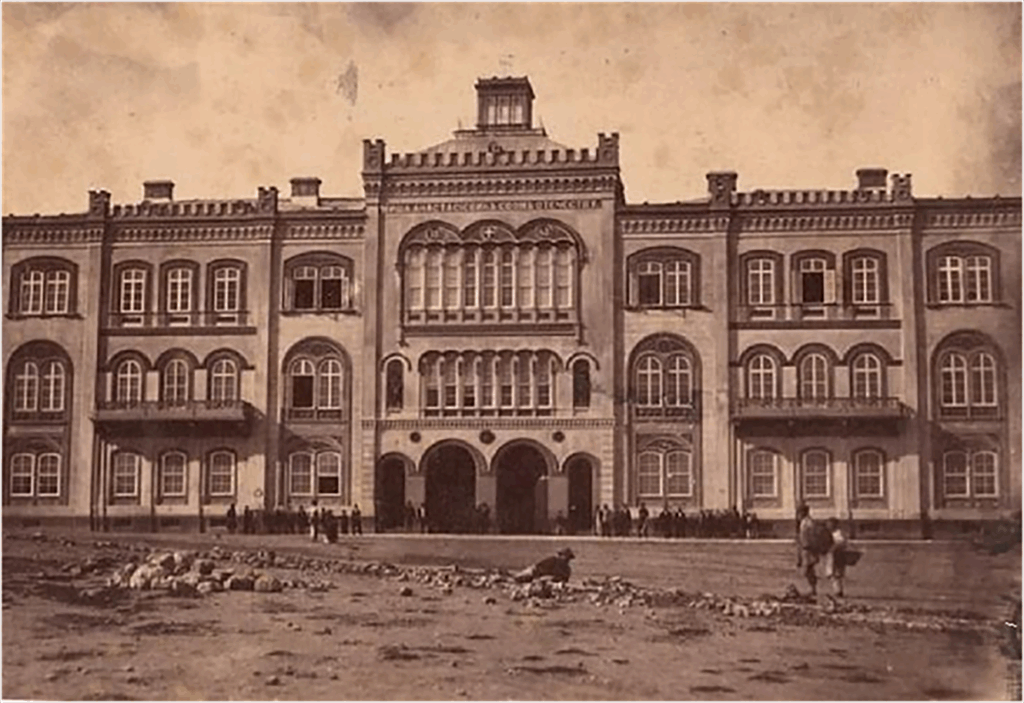
Through this exhibition and the accompanying catalogue, we wish to recall the pivotal moment of the oldest institution of higher education in Serbia, which grew and developed alongside the new Serbian state. The foundations of the University were laid as early as 1808 with the founding of Dositej’s Great School, similar to how the oldest European universities, such as Bologna, Oxford and the Sorbonne, emerged through gradual development. Nevertheless, the roots of education in Serbia reach even deeper into the past, all the way to the educational programs established by Saint Sava in the Middle Ages, which provided the basis of Serbian literacy, schooling and culture.
The University Law of 1905, which transformed the former Great School into a true university, represented far more than a mere institutional restructuring—it marked Serbia’s definitive and irreversible entry into the European university world, a goal the nation had long pursued.Over time, the University of Belgrade grew into an institution that, along with the Law, would acquire all the attributes of a modern university – from professional and academic autonomy to the development of scientific disciplines that would shape Serbian academic thought.
The establishment of the University of Belgrade marked the culmination of Serbia’s efforts to develop a comprehensive educational system. The University Law guaranteed the University’s autonomy and was significant not only in legal terms, but also as a manifestation of a modernizing society that sought to establish scientific and educational standards, as it represented one of the most important steps in creating an academic, scientific and intellectual community in which “professors are free in teaching their discipline.” This new educational framework would cultivate experts, scientists and intellectuals who would gain recognition far beyond Serbia’s borders, as the young nation’s scholarship had already achieved European-level standards in several fields by the early 20th century.
In the historical development of this highest scientific and educational institution, several phases can be traced: (click for more)
• 1808 – Through the efforts of the enlightenment figure Dositej Obradović, the Great School was founded in Belgrade with the aim of educating Serbian civil servants and intellectuals. It had three departments: philosophy, law, and technical sciences.
• 1813 – The Great School ceased operations due to the collapse of the First Serbian Uprising.
• 1838 – The school was reestablished as the Lyceum in Kragujevac.
• 1863 – By the Law on the Organization of the Great School of September 24, 1863, the Lyceum was once again transformed into the Great School and relocated to Belgrade.
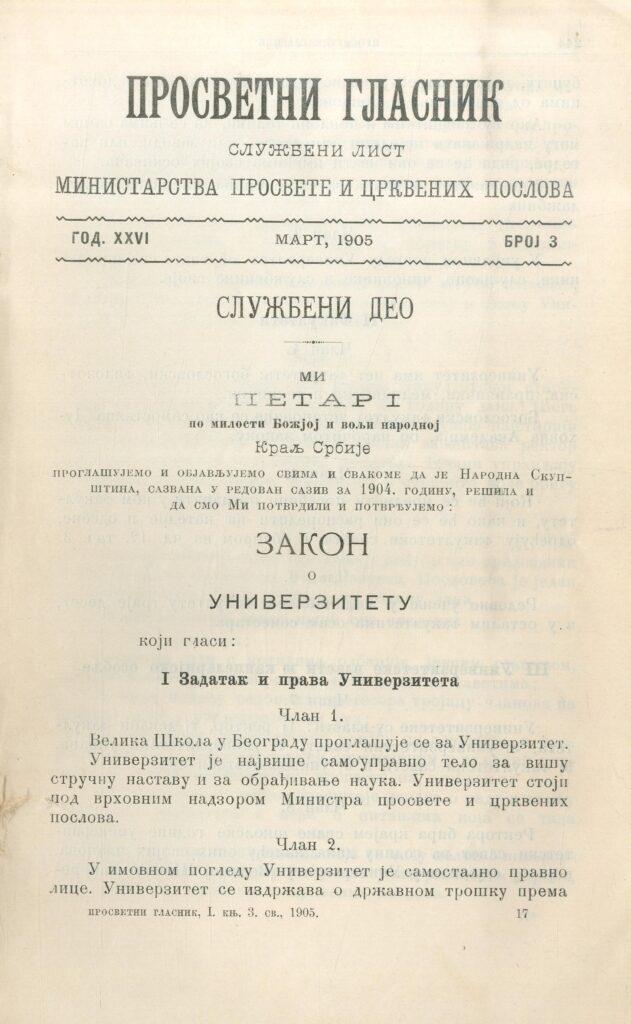
• 1905 – The University Law was passed on February 27/March 1905 and signed by King Petar I Karađorđević.
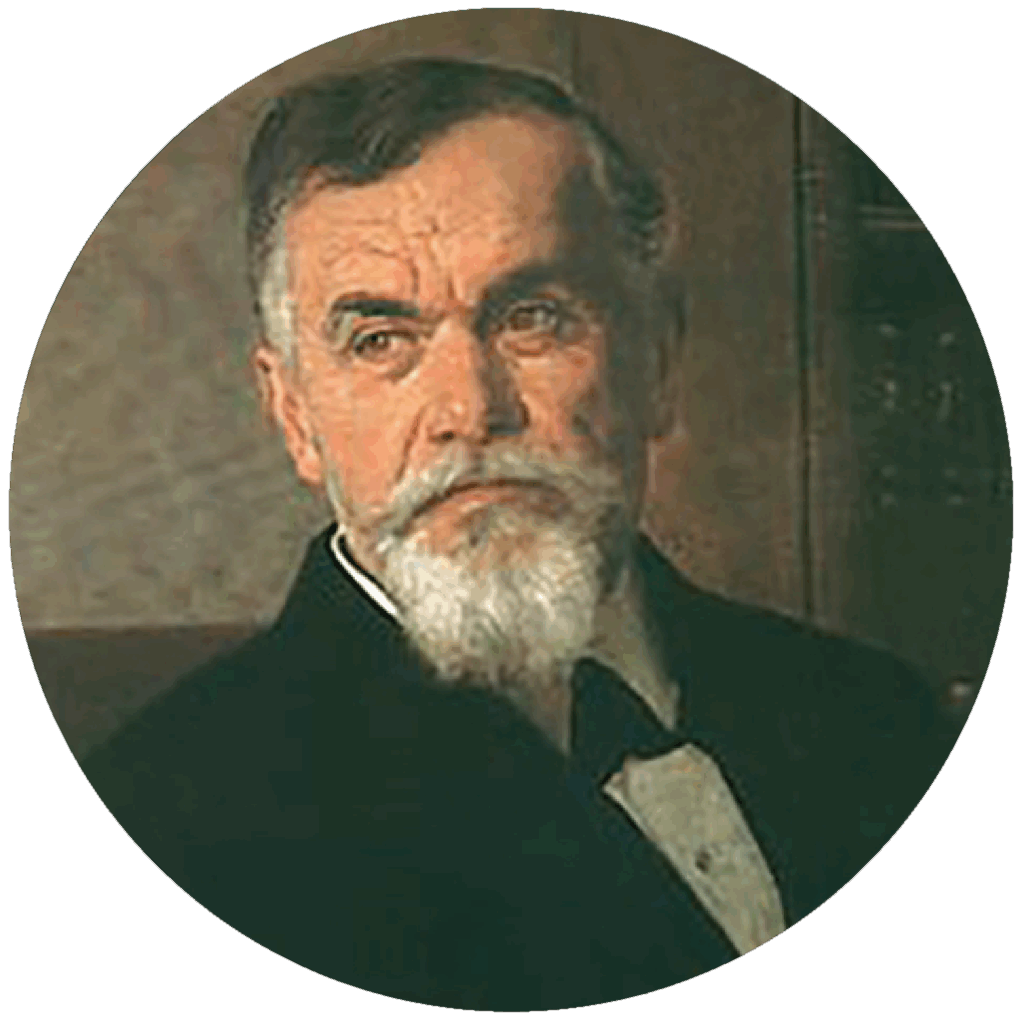
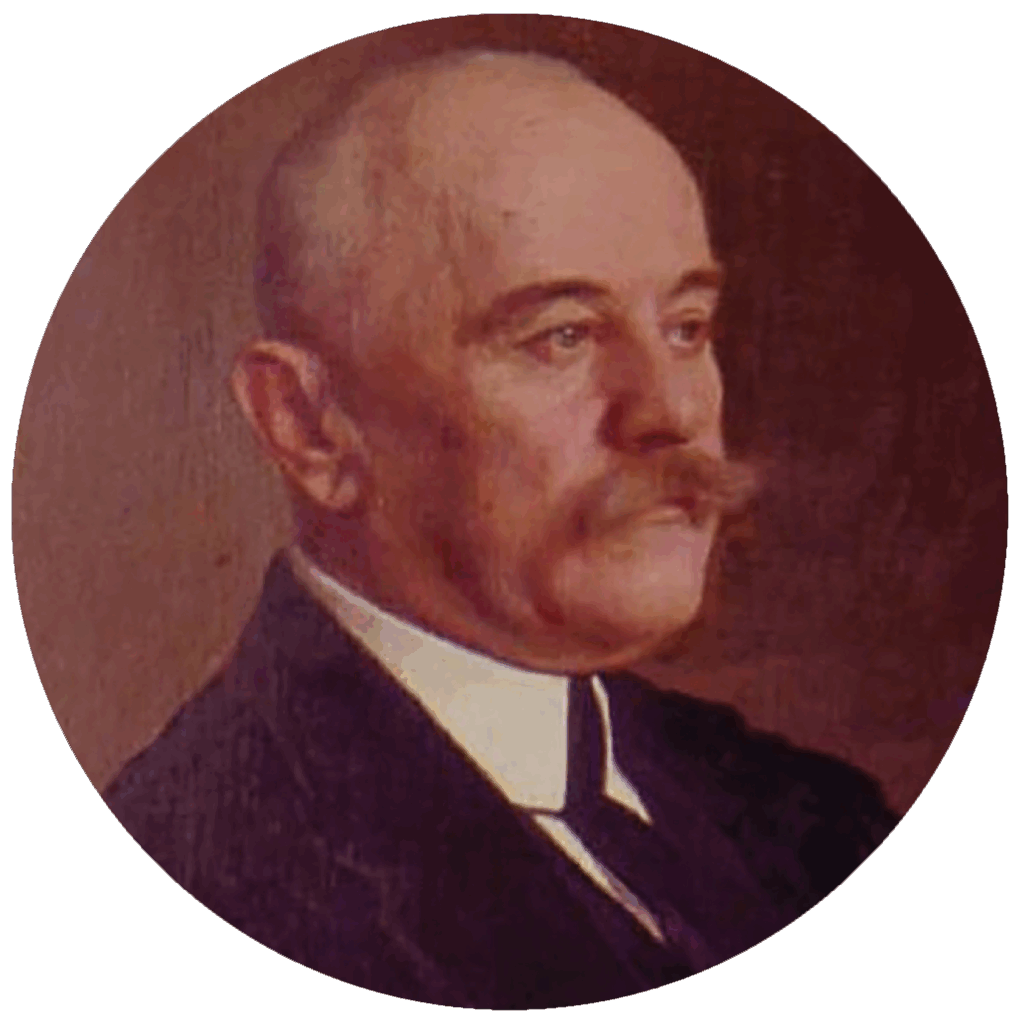
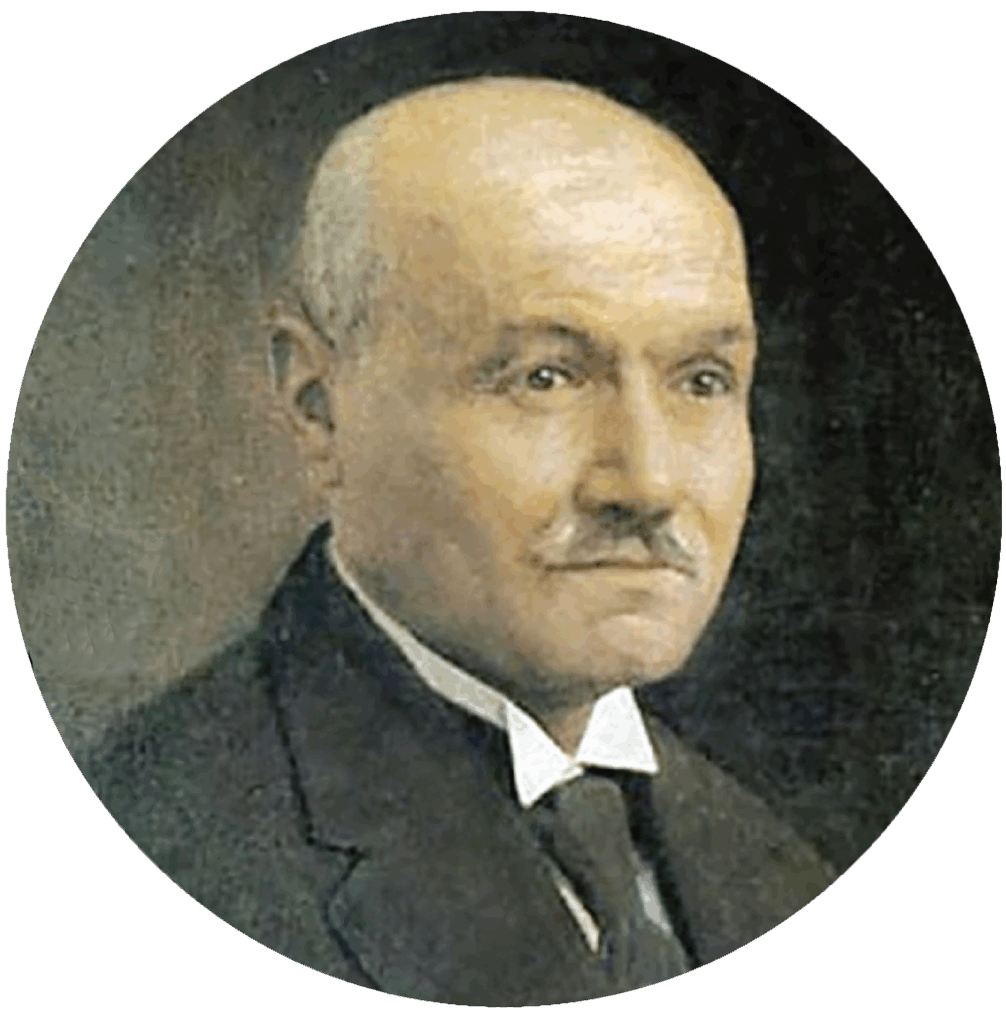
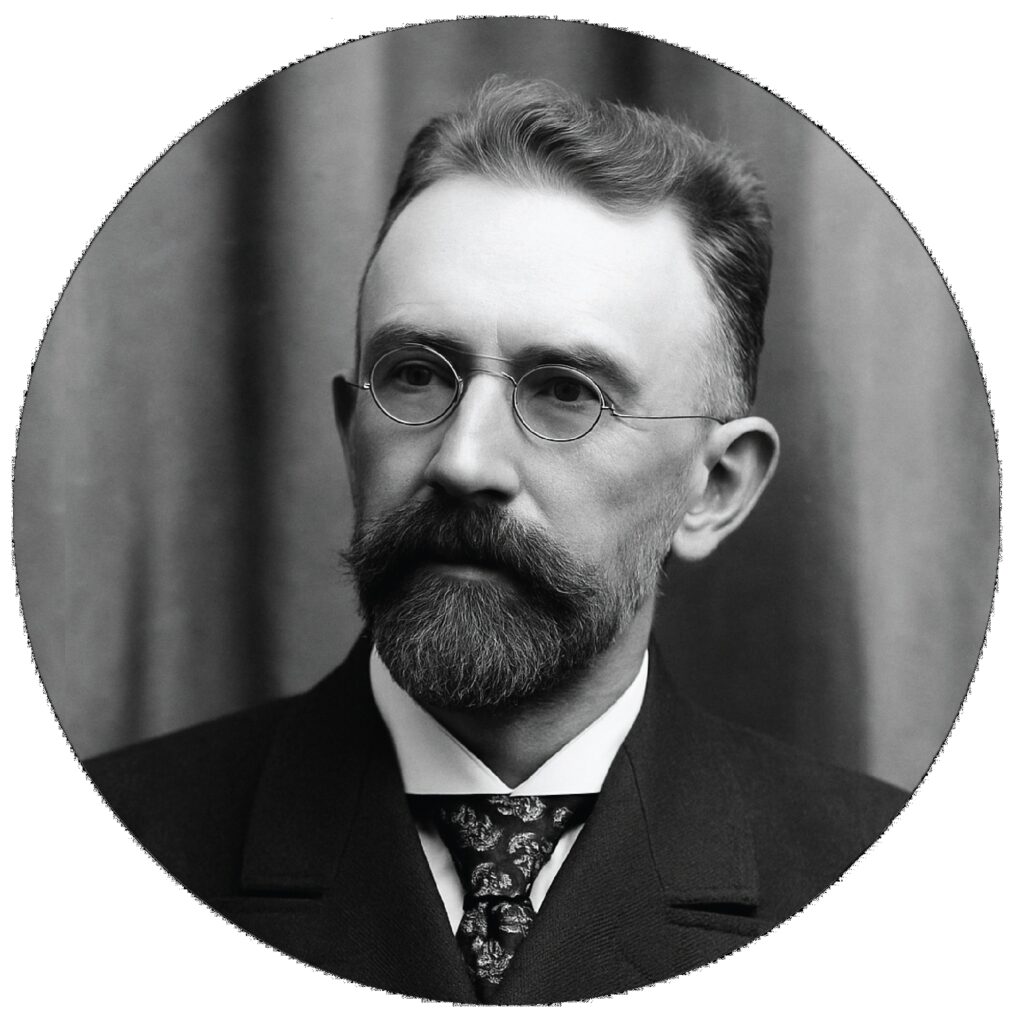
Eight Pillars
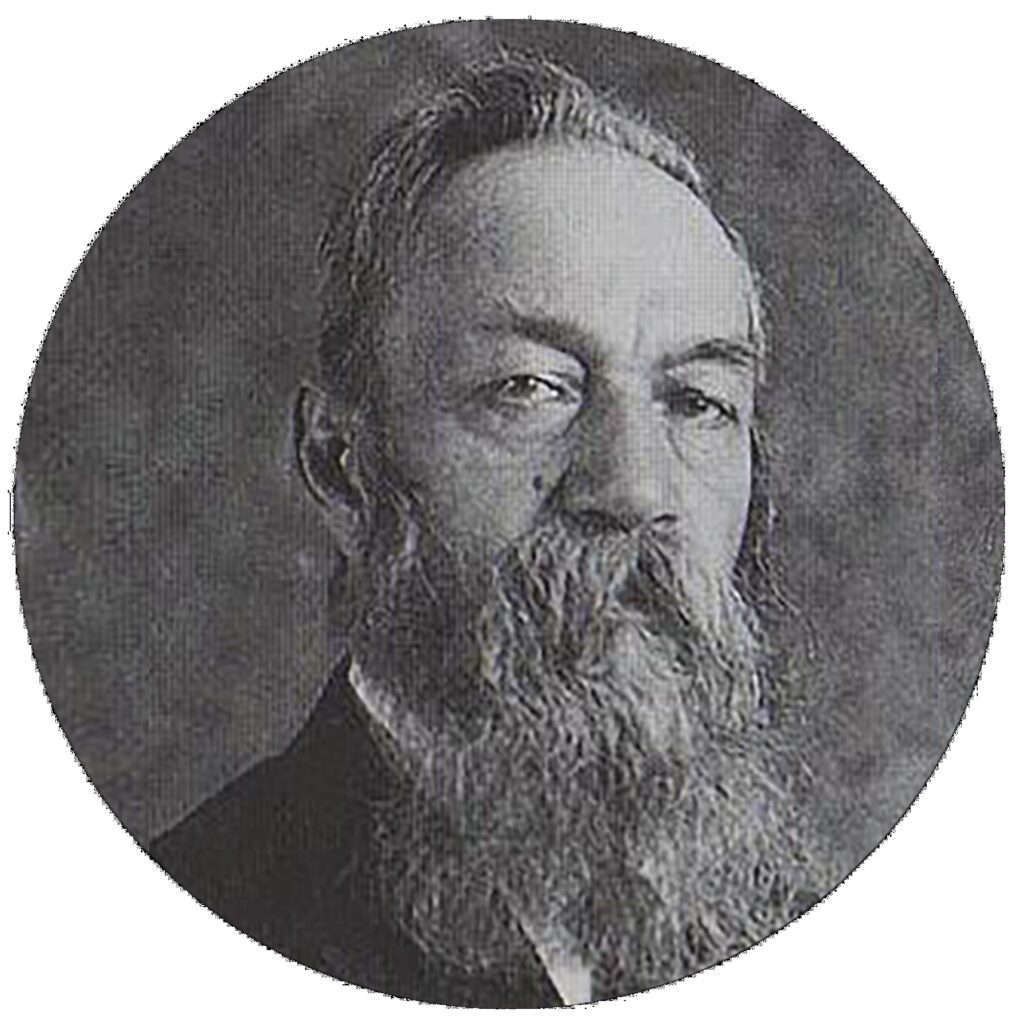
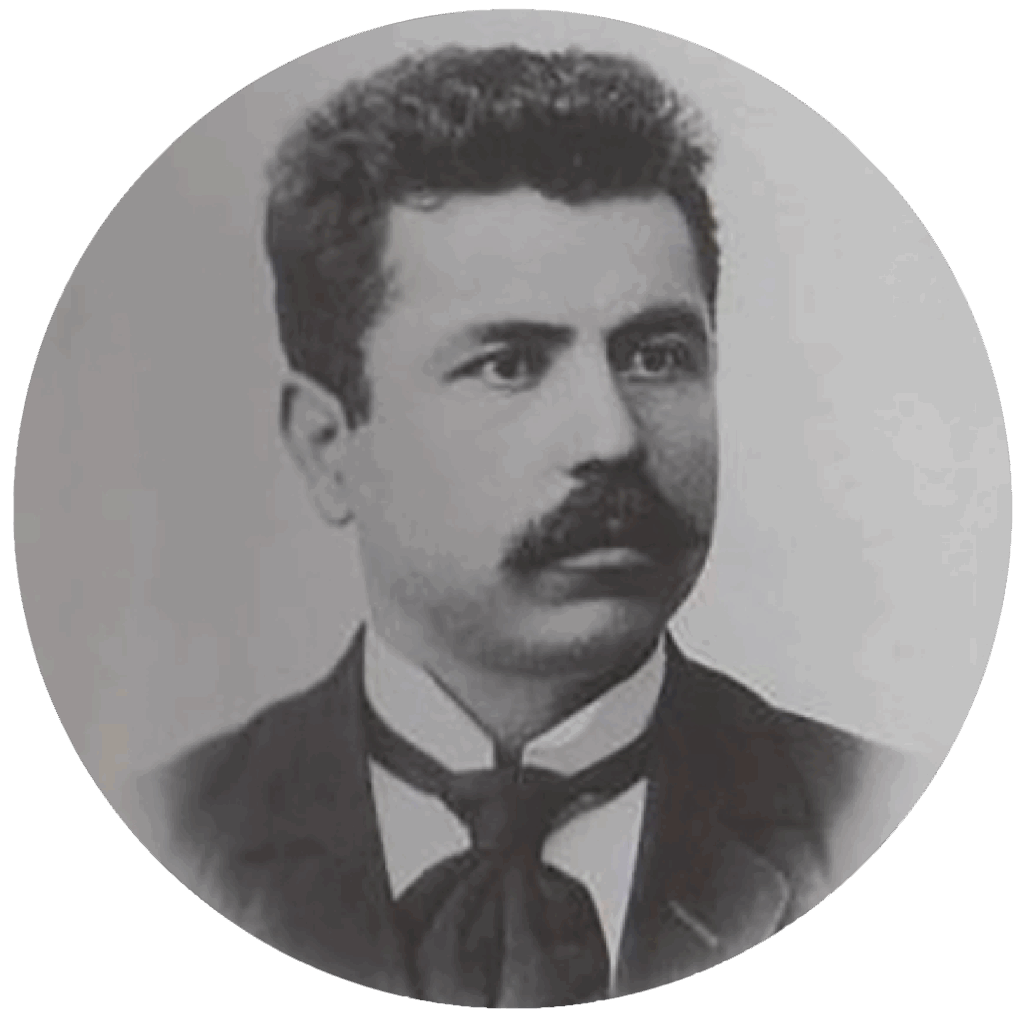
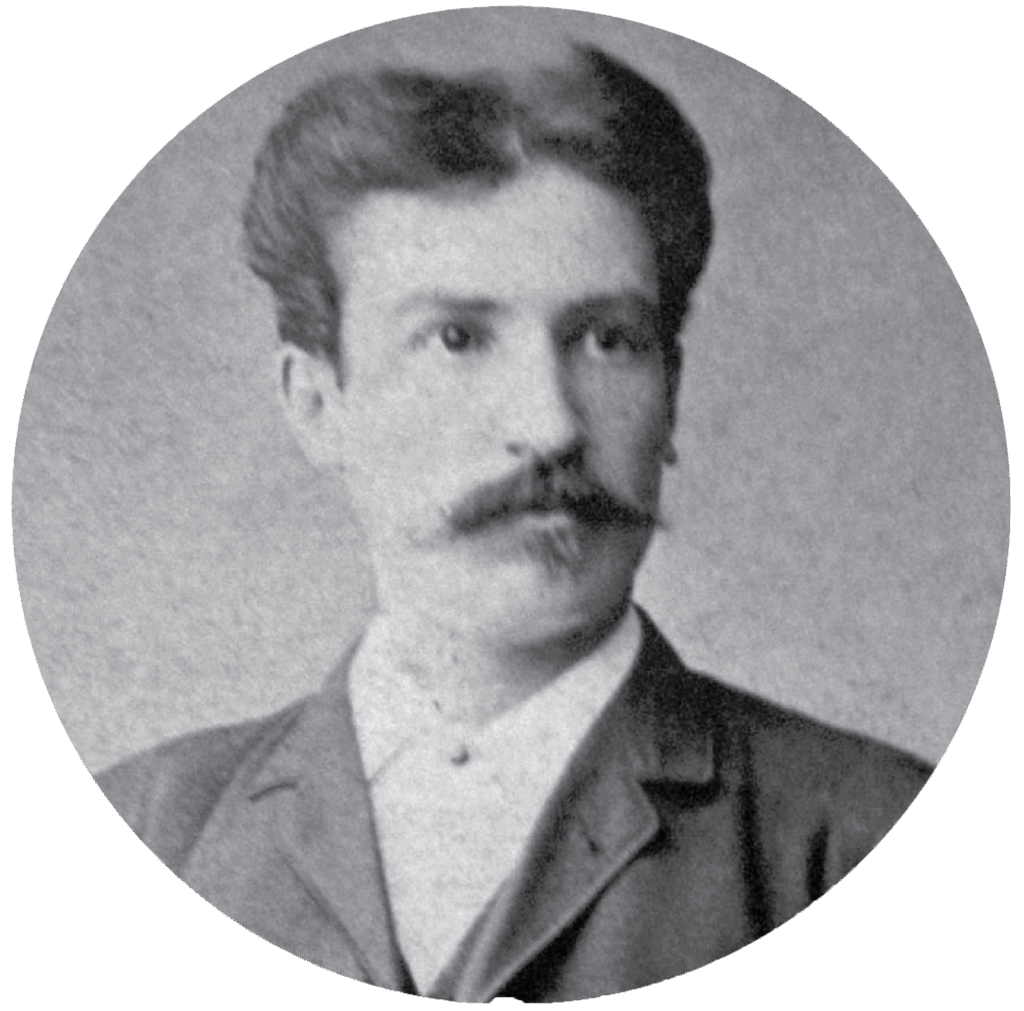
Per aspera ad scientia
The transformation of the Great School into a University was neither quick nor easy. It demanded considerable effort, persistence and commitment from professors and other cultural figures of the Kingdom of Serbia in the last decade of the 19th century before this institution could finally join the wider European and global university community.
The development of higher education in Serbia was inextricably intertwined with the development and strengthening of the Serbian state. The necessary phases of that development were completed with the transformation of the Lyceum into the Great School in 1863 and the subsequent intensive development of teaching and science, though conditions only matured sufficiently in the last decade of the 19th century. As S. Bojović notes, it was only then that an intellectual climate emerged suitable for scholarly work and rigorous university education: “The majority of Great School professors published papers in European academic journals and earned international recognition; professional societies were established in Belgrade, specialized and scholarly journals were launched, and a new generation of scholars was trained. All of this led to the university question becoming a constant presence in Serbian public discourse from 1890 onward, with fifteen years of drafting proposals and debates about founding a university.
The Academic Council of the Great School repeatedly passed resolutions on restructuring the School and submitted them to the Ministry of Education with a proposal that the matter be brought before the National Assembly for adoption.
However, the proposals either failed to enter the legislative process or were sent back for revision and amendments; some encountered disagreements and resistance. The unstable social and political climate, along with frequent changes in Ministry leadership, made matters even more difficult.
Finally, during Andra Nikolić’s tenure as Minister of Education, a new University Law was submitted to the Assembly on December 15/28, 1904. After days of debate, it was finally adopted: “Despite being mostly merchants and prosperous farmers suspicious of intellectuals and higher education, the Assembly deputies voted on February 19/March 5, 1905 to establish the University: 110 out of 117 present voted yes.”
University Organization
Upon the Law’s promulgation (February 27/March 12, 1905), all Great School professors were formally released from their positions. Simultaneously, King Peter I issued a Decree naming the first eight full professors of the University, who constituted the University Board tasked with appointing the remaining teaching staff, including additional full and associate professors.
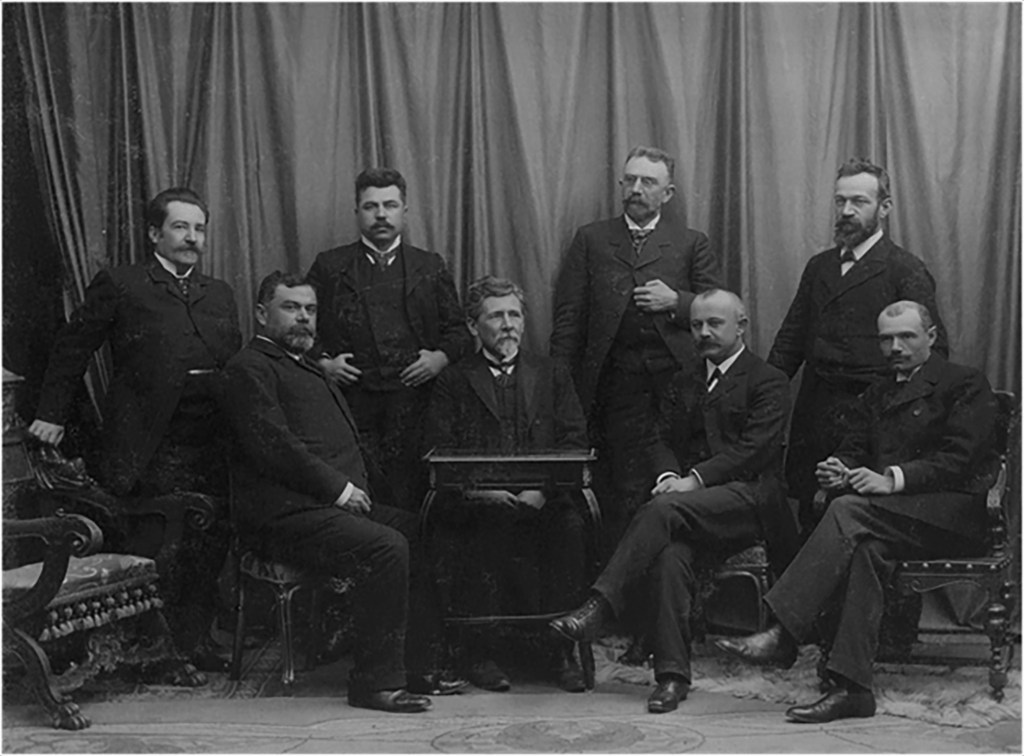
Each of the first professors was assigned a corresponding academic field: Sima Lozanić in chemistry, Jovan Žujović in geology, Jovan Cvijić in geography, Ljubomir Jovanović in Serbian history, Mihajlo Petrović in mathematics, Dragoljub Pavlović in general history, Andra Stevanović in structural engineering, and Milić Radovanović in economics and economic policy.
Teaching at the University began in March 1905, while the formal inauguration was held in October of the same year. The ceremony was attended by the highest state and academic officials, as well as representatives of educational and cultural societies and of foreign universities.
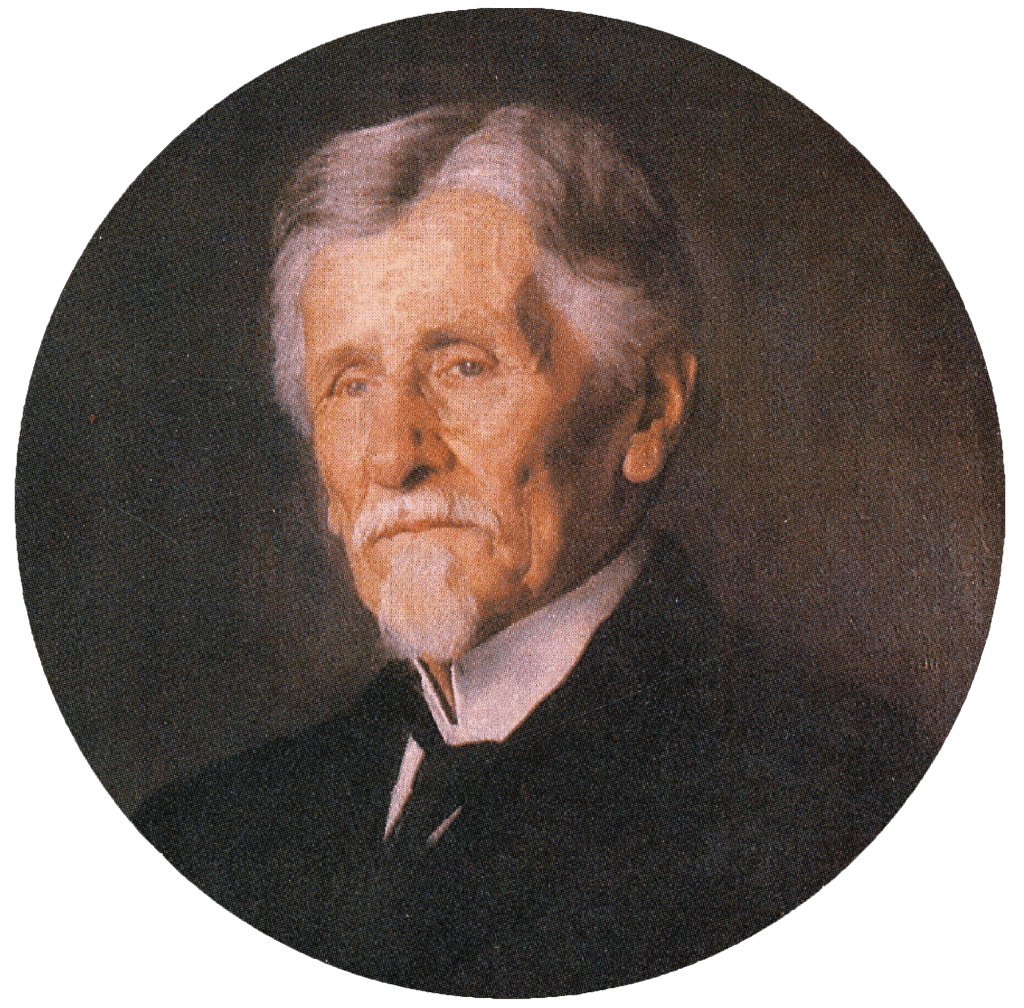
The first Rector of the University was Sima Lozanić — a long-standing professor and former Rector of the Great School, a distinguished scholar and public figure, and one of the leading advocates for the establishment of the University. In his address at the formal opening, rector Lozanić said, among other things: “Just as the sun, through its rays of light, warmth, and chemical energy, gives life to inanimate nature—making living beings emerge from earth, water, and air—so too does the school, through its rays of knowledge, give life to the human spirit, enabling the mind to develop within the uneducated child of cold nature, and allowing that simple living creature to become a cultivated human being (…)”
University Law
The new University Law comprised 41 articles and laid the foundations for both the organization and the autonomy of the new highest educational institution in the Kingdom.
The first article of this Law reads:
“The Great School in Belgrade is hereby declared a University. The University is the highest autonomous body for higher professional education and for the advancement of sciences. The University operates under the supreme supervision of the Minister of Education and Church Affairs.”
Furthermore, the Law states that, in terms of property, the University is an independent legal entity, which “is maintained at the state’s expense according to the annual budget, and additionally from the revenues of bequests and gifts.”
The University encompasses “all its teachers, students, clerks, and staff.”“The University has five faculties: Theology, Philosophy, Law, Medicine, and Engineering.”
“Regular studies at the Faculty of Medicine last ten semesters, while at the other faculties they last eight semesters.”
After the adoption of the General University Regulations on 30 September 1905, although the University was formally inaugurated on 2 October, it did not begin operating immediately. The students went on strike, dissatisfied with the strict regulations that threatened them with penalties, denied the liberalization of teaching, and restricted freedom of association. The public and the contemporary press supported the students’ struggle, considering their grievances justified. Negotiations lasted three weeks and were concluded with an agreement between the Rector and the student delegates. It was decided that the disputed articles of the Regulations would be amended the following year, and in the meantime, they would not be enforced.
The First Eight Full Professors of The University of Belgrade
The first full professors of the University were mostly distinguished scholars, with outstanding teaching and scientific achievements, who had already lectured at the Great School and continued their work after it transformed into the University.
The faculty councils allocated the university’s departments among the eight full professors:
- Sima Lozanić (1847–1935) was to take the Chair of Chemistry;
- Jovan Žujović (1856–1936) was to take the Chair of Geology;
- Dr. Jovan Cvijić (1865–1927) was to take the Chair of Geography;
- Ljubomir Jovanović (1865–1928) was to take the Chair of the History of the Serbian People;
- Dr. Mihailo Petrović Alas (1868–1943) was to take the Chair of Mathematics;
- Dr. Dragoljub Pavlović (1867–1920) was to take the Chair of General History;
- Andra Stevanović (1859–1929) was to take the Chair of Civil Engineering;
- Milić Radovanović (1860–1936) was to take the Chair of Economics and Economic Policy.
These eight, several of whom were among the leading figures in Serbian science and culture, were tasked with appointing the remaining professors and fostering an environment conducive to the advancement of science and education.
In his address to the University’s electoral bodies on the occasion of appointing the first full professors, Minister of Education and Church Affairs Andra Nikolić highlighted the great care given to selecting the finest university professors: ‘One must choose the most worthy among the deserving, both in terms of scientific qualification and devoted commitment to teaching and research. Our young University must secure a good reputation from the outset, and it must, above all, be safeguarded against potential reasonable reproaches from public opinion.’
In turbulent times, within a geographically confined space, it so happened that, simultaneously, distinguished minds grew, lived, and created side by side, as was the case with the members of this Great School generation. The first eight full professors—eight pillars of Serbian academic thought—set the standards of academic excellence during the difficult historical moments that followed. As scholars, representatives of the intelligentsia, and public figures capable of assessing contemporary political currents, they saw their vocation not only in the creation of knowledge but also in guiding the nation. They regarded participation in political life as a patriotic duty, which often made them official and unofficial interpreters of Serbian politics in European capitals. Their dedication to science, education, their enlightening mission, and engagement in public life endowed us with a lasting scientific and cultural legacy. By remembering them, we preserve and affirm the values that remain the foundation of the academic community today—knowledge, work, research, and freedom of thought.
The exhibition catalog contains concise biographies of the first eight full professors, covering the most important chronological facts: personal data, education, academic career, key research areas, publications, memberships in associations, honors, awards, and some notable aspects of their life and work. In the catalog, they are presented according to a formal principle—that is, in the order in which they were listed in the decree appointing them, rather than according to any hierarchy of merit.
Alongside the biography of each professor, a selected bibliography from the holdings of the University Library is presented in chronological order. Through this, we aim to highlight not only their scientific and educational contributions but also their diverse fields of interest, often closely linked with active social engagement. These works, produced as a result of their research and scholarly activity, are valuable treasures preserving our intellectual history. They testify to their academic legacy and offer us insight into the scope of their teaching and contributions, which secured their scientific authority and form an essential part of this catalog.
By organizing this exhibition, the University Library reaffirms its role in the development of the University, of which it is an autonomous unit alongside the faculties and institutes. As the University’s temple of the book, the Library has been an indispensable institution in advancing the University, despite challenges related to space, resources, and staffing. It holds a treasury of knowledge that continues to grow, enrich, and be shared through the educational process.
University institutions, which preserve, transmit, and produce knowledge, represent the foundational pillars of Serbia’s intellectual life, as well as significant symbols of the influence of science, culture, and education on the development of the state.
Marking the 120th anniversary of the adoption of this historic law and recalling the first eight full professors, we celebrate the achievements of the University, which continues to educate new generations and actively contribute to the building of society. What was begun more than a century ago endures to this day—the University of Belgrade remains a pillar of Serbian academic life, with a mission to continue advancing science, education, and society as a whole. In the words of its first rector, Sima Lozanić, ‘Universities provide direction to both the life of the state and the nation.’
Svjetlana Đelić
Selected Bibliography on the Lyceum, the Great School, and the University
Bibliography (click for more)
SRBIJA. Zakoni
Школскій законъ за ученике Велике школе. – [Beograd : b. i., 1864]. – 16 str. ; 14 cm
R 1007
GAVRILOVIĆ, Andra
Beogradska Velika škola : 1808–1813 : listak iz istorije oslobođenja Srbije / napisao And. [Andra] Gavrilović. – Beograd : „Dositije Obradović“, 1902. – 108 str. ; 23 cm. – (Izdanje Čupićeve zadužbine ; 49)
Ј 333/49
SPOMENICA o otvaranju Univerziteta. – Beograd : [Univerzitetski savet], 1906. – [8], 162, [1] str. ; 27 cm
R 3291
UNIVERZITETSKI zbornik. 1 : (zakon, uredbe i pravila). – Beograd : Univerzitet, 1910. – 112 str. ; 20 cm
PB21 1658/1
NAUČNI radnici Beogradskog liceja, Velike škole i Univerziteta : 1838-1948 : spisak. – Beograd : Bibliografski institut NR Srbije, 1949. – 15 str. ; 24 cm
BI 785
ZBORNIK zakona i uredaba o liceju, velikoj školi i univerzitetu u Beogradu / priredio Dragoljub T. Baralić. – Beograd : Naučna knjiga, 1967. – XIV, 1006 str., [6] listova s tablama : ilustr. ; 24 cm
II 8099
GRUJIĆ, Vladimir
Velika škola u Beogradu : (prve faze razvoja) / Vladimir Grujić. – Beograd : [b. i.], 1971. – Str. 273–303 : ilustr. ; 27 cm
II 17933
GRBIĆ, Branislava
Bibliografija o Beogradskom univerzitetu : 1838–1987 / [autori Branislava Grbić, Stela Filipi-Matutinović]. – Beograd : Univerzitet : Savremena administracija, 1988. – XV, 524 str. ; 25 cm
II 49440
LICEJ 1838–1863 : zbornik dokumenata / priredio Radoš Ljušić. – Beograd : Univerzitet [itd.], 1988. – 713 str., [2] sav. lista ; 25 cm. – (Arhivska građa o Univerzitetu u Beogradu ; knj. 1)
II 49441
NIKOLIĆ, Milen M.
Liceum knjažestva srbskog u Kragujevcu / Milen M. Nikolić. – Kragujevac : Narodna biblioteka „Vuk Karadži“ [etc.], 1988. – 134 str. : ilustr. ; 25 cm. – (Zavičajna biblioteka ; knj. 3)
II 48529
STO pedeset godina Univerziteta u Beogradu / [priredili Branislava Jordanović, Nikola Kusovac, Dragoslav Srejović]. – Beograd : Srpska akademija nauka i umetnosti [itd.], 1988. – [26 str.] : ilustr., faks. ; 24 cm
II 47903
UNIVERZITET u Beogradu : 1838–1988 : zbornik radova / [Popov Čedomir … [itd.]. – Beograd : Univerzitet [itd.], 1988. – VII, 1046 str. : ilustr. ; 25 cm
II 49442
IDEJE i pokreti na Beogradskom univerzitetu od osnivanja do danas : saopštenja i prilozi sa Simpozijuma održanog u Beogradu , 15-17. novembra 1988. godine. Knj. 1. – Beograd : Centar za marksizam Univerziteta : Prosveta, 1989. – 345 str. ; 24 cm. – (Edicija Revolucionarni studentski pokret na Beogradskom univerzitetu)
II 49718/1
OD Liceja do Univerziteta / [autori priloga Ilija Rosić…i dr.]. – Kragujevac : Univerzitet „Svetozar Marković“, 1992. – 124 str. : ilustr. ; 30 cm
III 5470
TRGOVČEVIĆ, Ljubinka
Planirana elita : o studentima iz Srbije na evropskim univerzitetima u 19. veku / Ljubinka Trgovčević ; odgovorni urednik Tibor Živković. – Beograd : Istorijski institut : Službeni glasnik, 2003. – 316 str. ; 25 cm. – (Posebna izdanja / [Istorijski institut, Beograd] ; knj. 43)
II 80122
JORDANOVIĆ, Branislava
Rektori Liceja, Velike škole i Univerziteta u Beogradu : 1838–2005 / [autor Branislava Jordanović ; saradnice Maja Nikolova, Milena Marković ; fotografije Milan Simić, Gradimir Simonović]. – 1. izd. – Beograd : Univerzitet : Zavod za udžbenike i nastavna sredstva, 2005. – 141 str. : ilustr. u boji ; 30 cm
III 7269
MILINČEVIĆ, Vaso
Velika škola i veliki profesori : (ogledi i dokumenta iz srpske književnosti, Velike škole, BU i srpske kulturne istorije) / Vaso Milinčević. – Beograd : Društvo za srpski jezik i književnost Srbije, 2006. – 263 str. ; 24 cm. – (Biblioteka Književnost i jezik ; knj. 12)
II 79633
BOJOVIĆ, Snežana
200 godina Beogradskog univerziteta : 1808–2008 : istorija institucije / Snežana Bojović. – 1. izd. na srpskom jeziku. – Beograd : Princip, 2008. – 479 str. : ilustr. ; 24 cm
II 85307
ZBORNIK zakona i uredbi o Univerzitetu u Beogradu : (1945–2000). 1, Univerzitet / [sakupila i priredila] Branislava Grbić. – Beograd : Univerzitet, 2008. – XVIII, 897 str. ; 24 cm
II 84458/1
ZBORNIK zakona i uredbi o Univerzitetu u Beogradu : (1945–2000). 2, Univerzitet / [sakupila i priredila] Branislava Grbić. – Beograd : Univerzitet, 2008. – VII, 689 str. : obrasci; 24 cm
II 84458/2
ZBORNIK zakona i uredbi o Univerzitetu u Beogradu : (1945–2000). 3, Fakulteti, instituti, zavodi, studentske ustanove, zaštita studenata i fondovi / [sakupila i priredila] Branislava Grbić. – Beograd : Univerzitet, 2008. – XVI, 729 str. ; 24 cm
II 84458/3
UNIVERZITET u Beogradu : 1808–2008 : 200 godina Univerziteta u Beogradu i visokog obrazovanja u Srbiji / [priredili Ivan Obradović, Aleksandar Milojević, Vanja Radulović ; fotografije Mirko Nahmijas, Lazar Jokić, Ljubiša Pešić]. – Beograd : Univerzitet, 2008. – 231 str. : ilustr. ; 23 cm
II 84938
OD Velike škole i Liceja do danas : Univerzitet u Beogradu : 1808–2008 / [glavni i odgovorni urednik Neda Bokan]. – Beograd : Univerzitet, 2011. – 108 str. ; 23 cm
II 97397
VEK i po Velike škole u Beogradu (1863–2013) / urednici Zoran S. Mirković, Miloš Milenković. – Beograd : Univerzitet u Beogradu : Fiozofski fakultet : Pravni fakultet, 2014. – 268 str. : ilustr. ; 24 cm
II 101764
GRBIĆ, Branislava
Pregled nastave na Liceju, Velikoj školi i Univerzitetu : 1838–1914 / autor Branislava Grbić ; saradnik Branislava Jordanović. – Beograd : Univerzitet u Beogradu, 2018. – 429 str. : ilustr. ; 24 cm
II 112854
UNIVERZITET u Beogradu = The University of Belgrade : most između tradicije i progresa = a bridge between tradition and progress / [autori tekstova Vladimir Bumbaširević … i dr.] ; [prevod na engleski Mirjana Daničić ; fotografije Stefan Stević]. – Beograd : Univerzitet,– [56] str. : ilustr. ; 28 cm
III 12014